








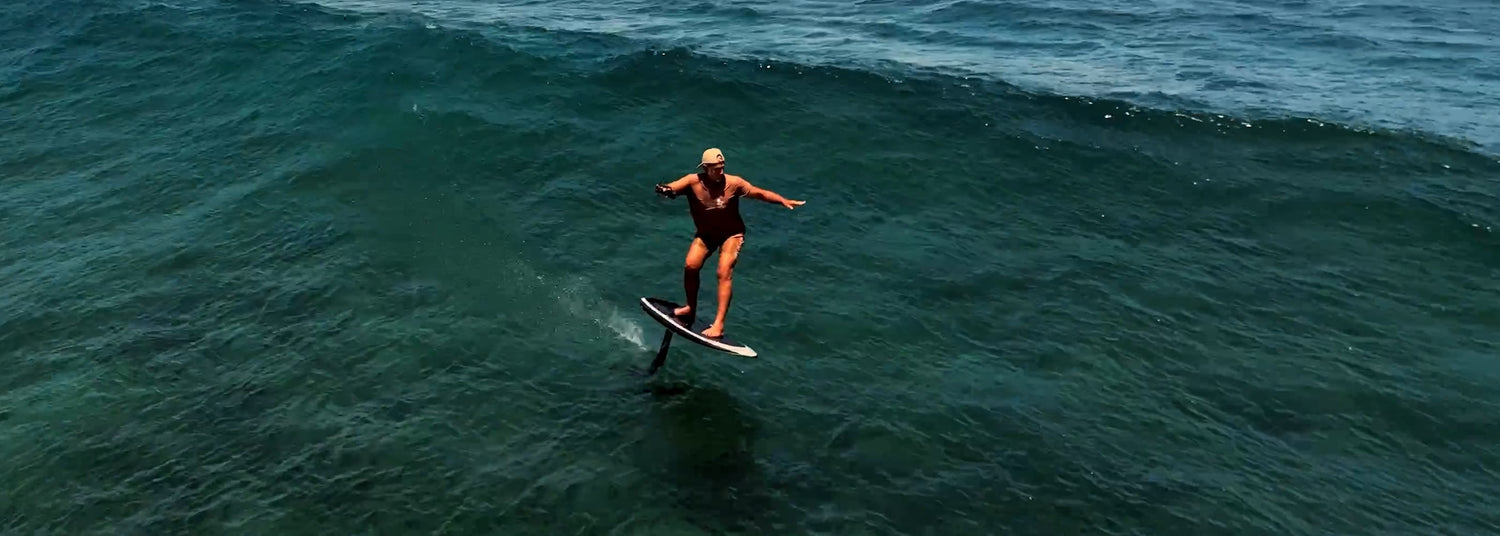
It is the first question almost everyone asks when they see an eFoil rise out of the water for the first time: how fast does that thing go? It is a fair question, and it is a fun one, but the honest answer is more interesting than a single number. eFoil speed is not a fixed spec stamped on the board. It is the result of several things working together: the motor and propulsion unit, the wing under your feet, your own weight, how much energy the battery can deliver, and the conditions on the day. Change any one of those and the speed changes with it. Here is what actually controls how fast you go, and where the current Lift lineup lands.
What Determines eFoil Speed
Think of speed as a balance between power pushing you forward and the wing and water pushing back. A few factors set where that balance lands:
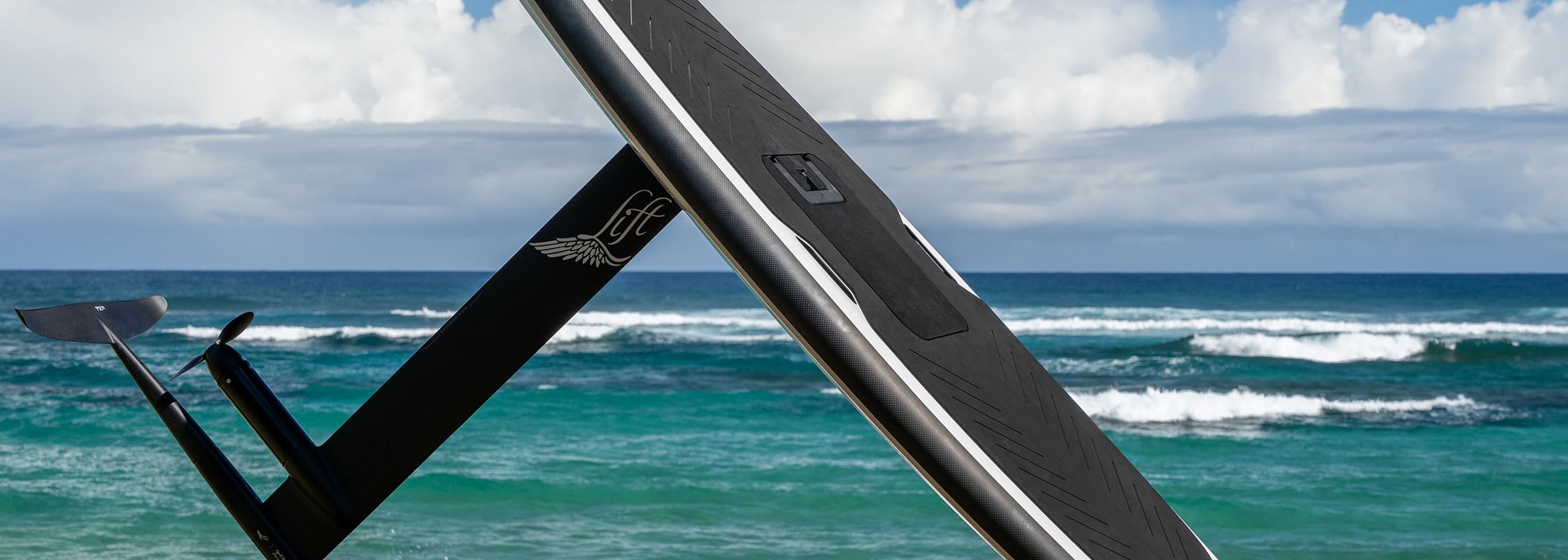
- The motor and propulsion unit. Lift builds eFoils around sealed, direct-drive motors, and the motor size sets the ceiling for how much thrust is on tap. The current carbon lineup runs either a 55 mm motor on the LIFTX or a 68 mm motor on the LIFT5. A larger motor moves more water and carries more punch through the midrange, while a smaller, lighter motor pairs beautifully with a light board for a quick, lively feel.
- Jet versus propeller. How that thrust reaches the water matters too. The fully enclosed LCS Jet is the smoothest and most beginner-friendly option, with gentle, predictable acceleration and nothing exposed. A propeller setup, like the folding propeller on the LIFTX, tends to feel more direct and connected to the throttle. Neither is simply faster on paper. They feel different, and that feel is a big part of the ride.
- Wing area and aspect ratio. Your front wing has more to do with speed than almost anything else. A bigger, lower-aspect wing creates lift early and feels stable and forgiving, which is wonderful for learning and for heavier riders, but it also creates more drag at speed. A smaller, higher-aspect wing slices through the water with less drag and carries more speed, but it demands more skill and a lighter touch.
- Rider weight. A heavier rider needs more lift to get up and stay on foil, which usually means a larger wing and a bit more power to hold a given speed. A lighter rider can run a smaller, faster wing comfortably. This is why two people on the identical board can report different top-end feel.
- Battery output and conditions. The battery feeds the motor, and a fresh, healthy pack delivers full power. Wind, chop, water temperature, and even how trimmed and balanced your stance is all nudge your real-world speed up or down.
The Honest Note on Top Speed
Here is the part people really want, served straight. Lift does not publish an official top speed. Third-party guides and rider reports commonly cite figures around 30 mph (roughly 50 km/h), and your real-world top speed depends heavily on setup and conditions. That figure is a useful ballpark, not a guarantee and not a manufacturer specification. The same board with a big stable wing and a heavier rider will sit comfortably below that, while a light rider on a small high-aspect wing in calm water will get closer to it. So when you read a speed number for an eFoil online, treat it the way you would treat a quoted top speed for a car you have not driven: a reference point, shaped entirely by how the rig is set up and where you ride.
How Wing Choice Trades Speed for Stability
If there is one lever that changes your eFoil more than any other, it is the front wing. Lift offers a deep range of wings precisely because no single shape is right for every rider or every goal. The trade-off is consistent: you are choosing between early, stable, forgiving lift and faster, looser, higher-skill performance.
A larger, lower-aspect wing lifts you onto foil at a lower speed, holds a planted line, and tolerates small mistakes without dumping you off foil. That is exactly what you want as a new rider, or on a day when you just want to cruise. As you progress, stepping down to a smaller, higher-aspect wing unlocks more speed and a more responsive, carve-happy feel, at the cost of needing finer balance and throttle control. Many owners keep two or three wings and swap them like gears. If you want to go deeper on this, our guide to choosing your eFoil wings walks through the sizes and what each one feels like, and our jet versus propeller breakdown covers how the two propulsion styles change the ride.
Where the Lift Lineup Lands
Now for the boards themselves. The two current carbon models take noticeably different approaches to performance, and that difference comes down largely to weight and propulsion.
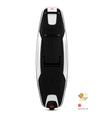
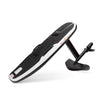
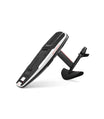
The LIFTX is the lightweight performance build, and at $13,999 it is the rig that feels the quickest-handling and most playful, simply because it is so light. A fully rigged LIFTX comes in around 44 to 47 lb, which is dramatically lighter than a traditional full-size setup. It runs a 55 mm motor paired with a folding propeller and a smaller, lighter Light battery of roughly 0.9 to 1.0 kWh. All of that low weight means the board changes direction the instant you ask it to. It pops onto foil eagerly, carves tight, and feels alive underfoot. If you want the eFoil that feels most like an extension of your body, the LIFTX is the one.
The LIFT5 is the all-around carbon flagship at $14,999, and it sits in a more planted, stable place. It runs the larger 68 mm motor and the Gen5 Full Range 2.2 kWh battery, so it pairs confident, steady power with long range. Where the LIFTX feels darty and quick, the LIFT5 feels composed and locked in, the kind of board that holds a long, smooth line for an entire session and keeps going. For riders who prioritize stability, range, and an unhurried, glassy ride, the LIFT5 is the natural choice. If you are weighing the two against each other, our LIFT5 vs LIFT5 F vs LIFTX comparison lays the lineup out side by side. Note that the older LIFT4 and LIFT3 are retired, so the LIFTX and LIFT5 are the current options to choose between.
Safety and Speed: Ride Within Your Skill
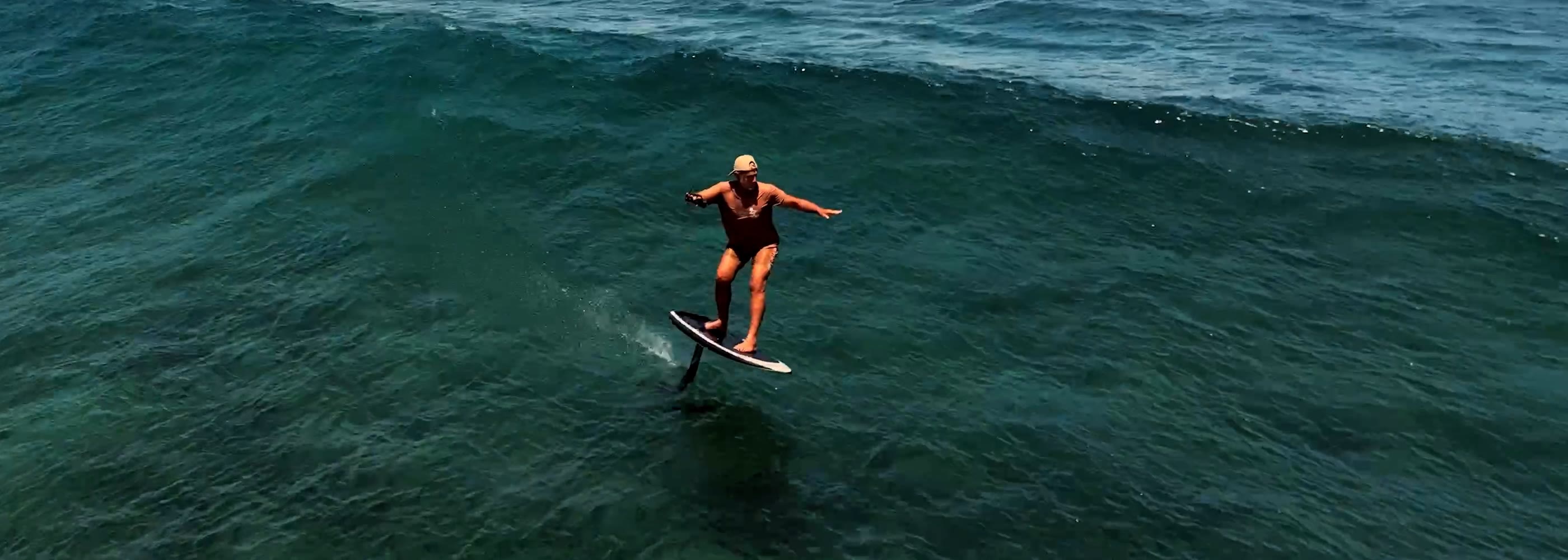
One thing every experienced foiler will tell a newcomer: foiling speed feels faster than it sounds. Lifted up out of the water with nothing but a thin mast connecting you to the surface, even a modest pace feels exhilarating. That sensation is part of the magic, and it is also a good reason to build up gradually. Start on a larger, stable wing at a comfortable speed, get confident with the throttle and your balance, and let the speed come to you as your skill grows. A controlled, smooth ride is both safer and more fun than a white-knuckle one.
Ride within your ability, wear your safety gear, mind the people and obstacles around you, and treat the throttle with respect. Do that and the speed becomes one more thing you get to dial in over time, rather than something that gets away from you.
Find Your Speed With Luxury Surf
Luxury Surf is a proud Lift Foils dealer, and helping you match the right board, wing, and propulsion to how you want to ride is exactly what we love to do. Whether you are drawn to the light, quick, playful feel of the LIFTX or the planted, long-range stability of the LIFT5, reach out to our team. We ride what we sell, and we are happy to talk you through setups, wing choices, and what speed will really feel like for you on the water.